5 Reasons Why Putting Off Auto Repairs Always Costs More
In today's fast-paced world, it's tempting to delay auto repairs, especially when immediate costs are involved. However, postponing necessary maintenance can lead to serious financial consequences. From escalating auto repair costs to increased risks, the long-term implications are both broad and profound. By understanding these factors, car owners can make informed decisions that protect both their finances and their safety.
1. Increased Repair Costs Due to Problem Escalation
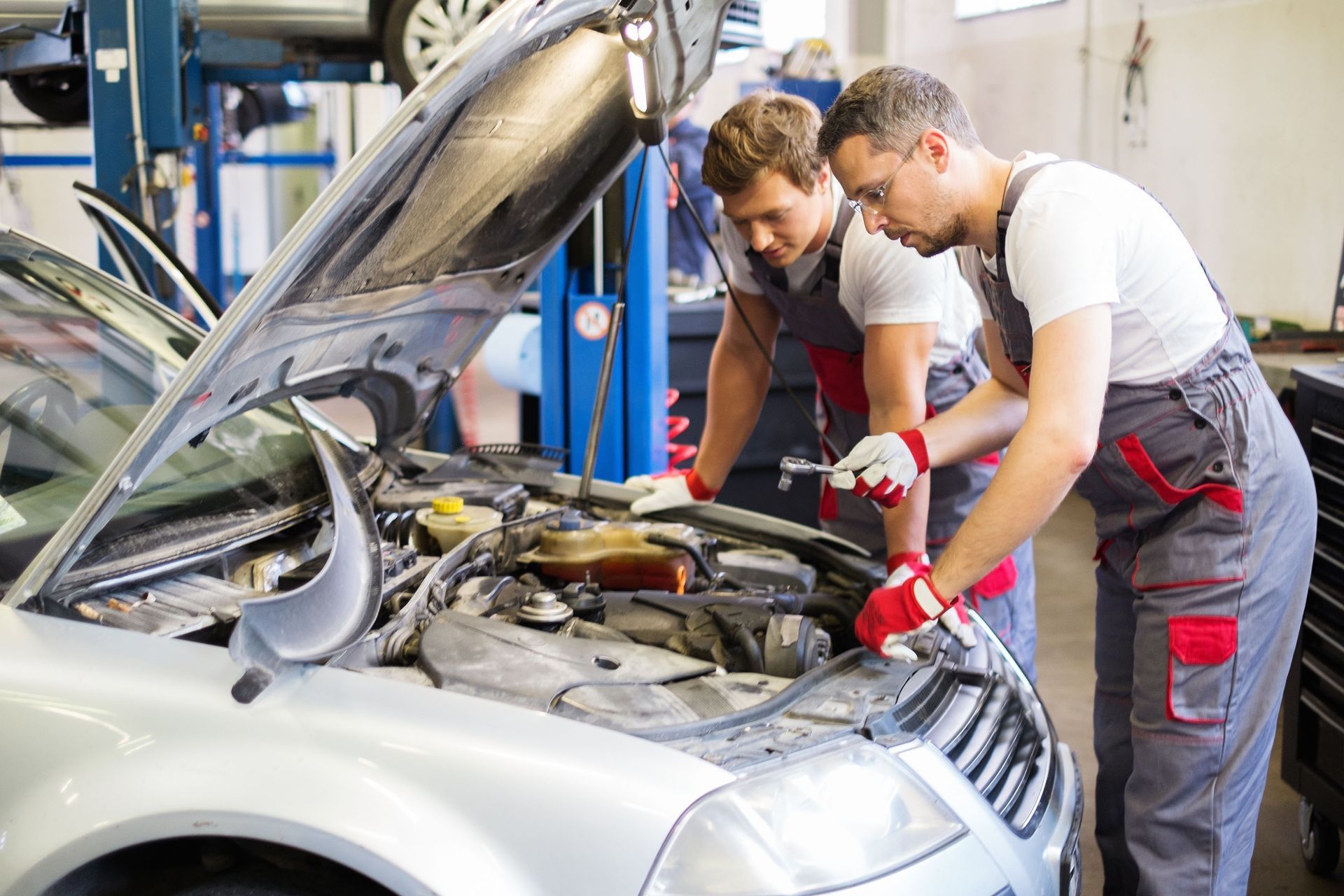
Ignoring small issues in a vehicle can lead to them escalating into major problems. For example, a minor oil leak might only require a simple gasket replacement initially. However, if left unattended, it could result in severe engine damage requiring extensive auto repair or even replacement. The longer a vehicle operates with unresolved issues, the more pronounced the damage becomes. Many drivers underestimate how quickly minor repairs can become daunting major fixes when neglected.
Deferring auto repairs often results in compounding wear and tear on affected parts. When one component begins to fail, it can exert undue pressure on interconnected parts. This interdependent relationship among car components can exponentially increase repair costs. Eventually, what began as a single failing part can lead to a cascade of issues. Addressing vehicle problems early can save drivers significant amounts of money by preventing this cascading effect.
Complex repairs that arise from neglected maintenance often come with higher labor costs. As problems compound, mechanics require more time to diagnose and fix these issues. An intricate auto repair consumes more mechanic hours, translating into increased labor fees. By minimizing the complexity of repairs through prompt action, vehicle owners can avoid inflated labor charges. Furthermore, booking regular inspection appointments can help identify potential problems before they require involved solutions.
2. Compromised Safety Leading to Higher Costs
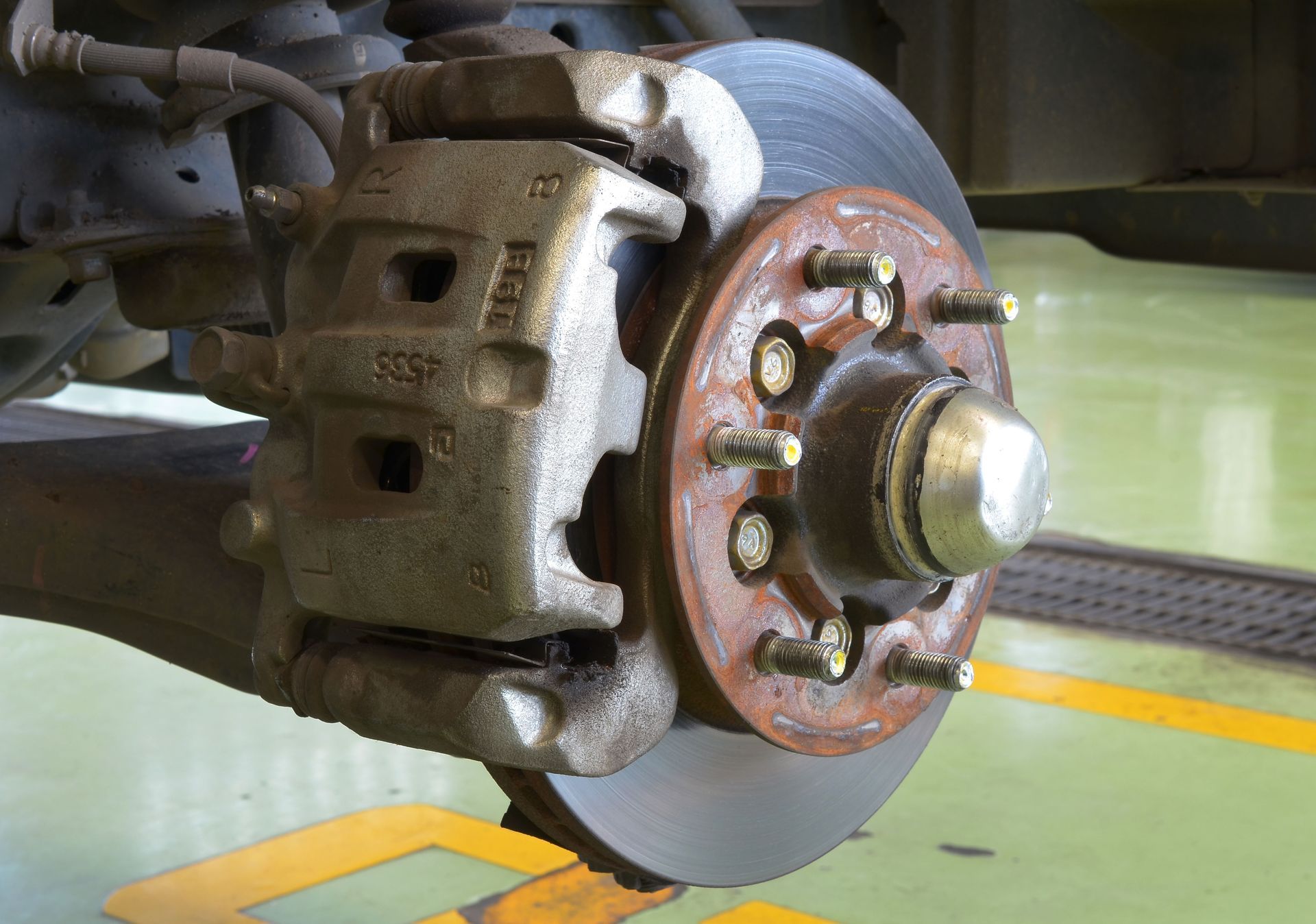
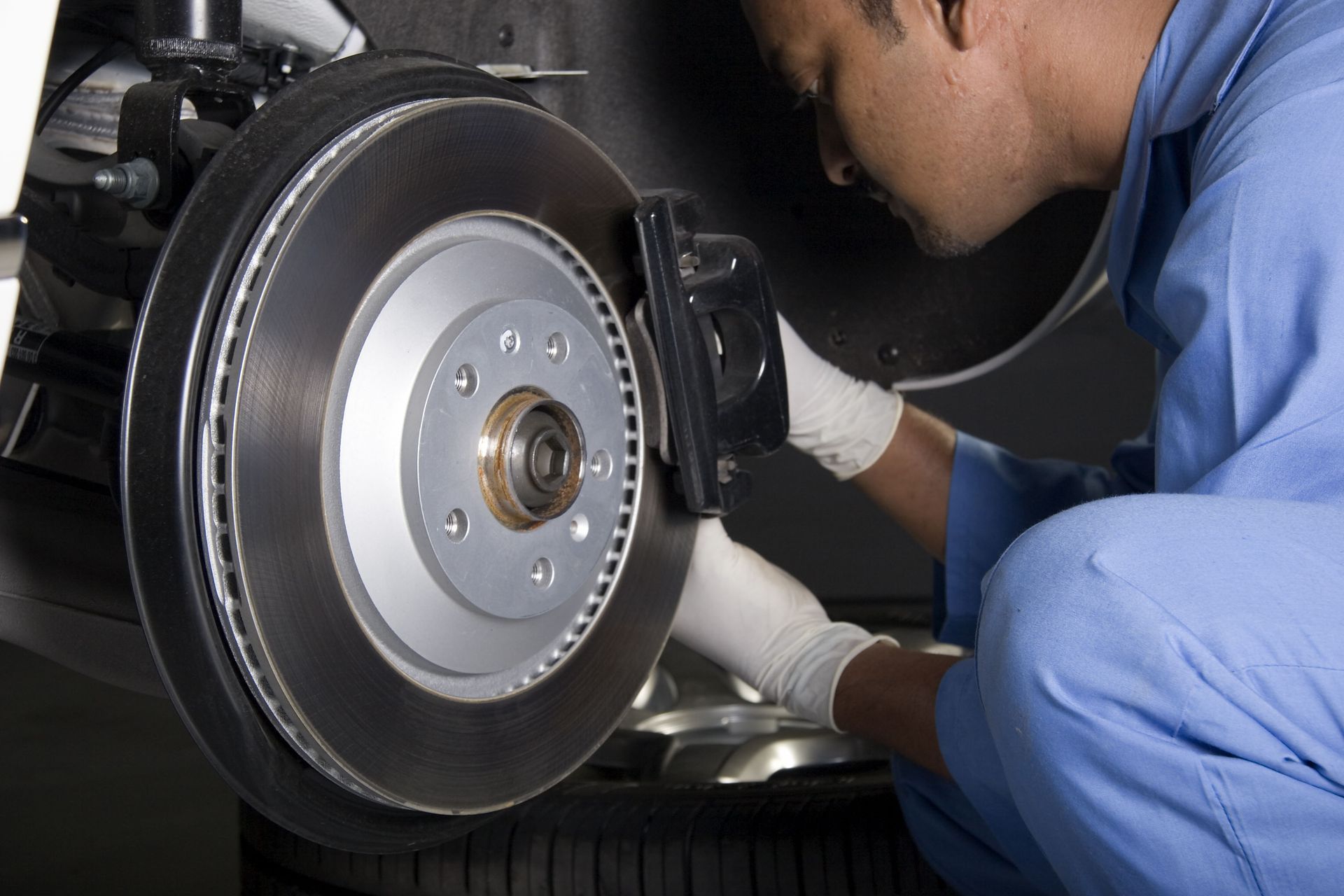
Neglected repairs can significantly compromise the safety of a vehicle, increasing the likelihood of accidents. Faulty brakes, malfunctioning lights, and worn tires are common culprits that impair a driver's ability to drive safely. These issues, when not addressed, elevate the risk of collisions, which come with their own devastating personal and financial costs. Each accident not only endangers lives but also leads to increased insurance premiums and repair costs. Regular maintenance is critical in ensuring that a vehicle remains roadworthy and secure.
Unavoidable emergencies caused by deferred maintenance often require expensive emergency interventions. A breakdown on a busy highway, for instance, may necessitate urgent towing services. Moreover, should an accident occur due to a neglected issue, ambulance, medical, and additional emergency response fees could be incurred. Such unexpected expenses can strain personal finances and often exceed the cost of routine maintenance. Prevention through regular vehicle check-ups is, therefore, a prudent financial move.
Compromising vehicle safety can lead to increased insurance liability claims. Vehicles in poor condition increase the risk of being at fault in an accident, which may lead to costly insurance payouts. These payouts affect the insurance rates adversely, resulting in hefty premium increases. Neglected repairs can thus have long-lasting financial impacts on insurance costs. According to Kelley Blue Book, to ensure safety and reliability, it's recommended that motorists have a certified technician perform a thorough vehicle evaluation at least once a year to catch any emerging issues.
3. Reduced Vehicle Lifespan
Vehicles that lack regular maintenance depreciate faster than well-maintained ones. Deferred repairs reduce a vehicle's efficiency and reliability, contributing to a sharp depreciation curve. This rapid devaluation can lower the car's resale or trade-in value considerably. Car owners might find themselves locked into longer ownership or face financial losses on their investment. Prompt attention to necessary maintenance helps maintain a vehicle's value and extend its lifespan.
The trade-in value of a vehicle heavily depends on its condition, both mechanically and cosmetically. Vehicles that exhibit signs of neglect typically receive lower offers from dealerships. The perceived risk of future repairs makes them less desirable, leading to depreciated valuations. Conversely, a vehicle with a consistent maintenance record is usually appraised higher. Investing in regular maintenance assures a higher return when upgrading to a newer model.
A lack of auto repair diligence often necessitates frequent, expensive overhauls on major systems. Engines, transmissions, and suspensions can suffer irreversible damage when neglected, requiring costly refurbishments. Such repairs can be financially draining and disrupt budgeting processes for car owners. On the other hand, regular maintenance helps mitigate the occurrence and severity of these extensive overhauls. By ensuring timely repairs, the longevity and reliability of the vehicle are secured.
4. Negative Impact on Fuel Efficiency
Engine inefficiencies often arise from neglected maintenance, leading to increased fuel consumption. Old filters, spark plug issues, or lack of oil changes can hinder engine performance greatly. This inefficiency requires the engine to work harder, thereby consuming more fuel for the same level of performance. Over time, this results in higher fuel expenses for the vehicle owner. Regular maintenance is crucial in maintaining optimal engine functioning and fuel efficiency.
Misaligned wheels and worn tires contribute heavily to inefficient fuel usage. Poor alignment and worn tires lead to increased rolling resistance, causing the engine to expend more energy. This unnecessary expenditure of energy reduces miles per gallon performance, translating into more frequent visits to the gas station. Maintaining proper tire pressure and alignment through regular maintenance enhances fuel efficiency. This not only saves money but also aids in a smoother, safer ride.
Unattended sensors and emission systems can further detract from a vehicle's fuel efficiency. Faulty sensors may provide inaccurate data to the engine's computer, resulting in inefficient fuel mixture settings. Emission issues may also lead to an increased carbon footprint and potential fines for non-compliance with environmental regulations. Timely repairs and adjustments minimize emissions and ensure better fuel economy. Regular car inspections can help detect these issues before they severely impact performance.
5. Inconvenience Costs and Lost Time
Unexpected vehicle breakdowns due to neglected repairs can result in considerable inconvenience and unexpected costs. Breakdowns often occur at the most inconvenient times, leaving drivers stranded or delayed. This inconvenience could result in missing important appointments or incurring additional costs to reach destinations through alternative transport. Regular maintenance significantly reduces the likelihood of unforeseen breakdowns. Proper vehicle care proactively addresses potential issues that might lead to such disruptions.
Emergency auto repair services, engaged in response to sudden vehicle failures, can be prohibitively expensive. Immediate roadside assistance, unscheduled towing, and on-the-spot repairs often command premium prices. These situations place a financial strain on car owners who must pay significantly higher charges for immediate service. Preventive maintenance helps reduce the occurrence of emergencies and mitigates related expenses. Regular check-ups ensure the vehicle remains in optimal condition, minimizing sudden failures.
An inoperative vehicle frequently requires securing alternative transportation, such as rental cars. These costs can accumulate quickly, especially during protracted repair periods. Dealing with unreliable transport may also increase stress, impacting one's productivity. Regular vehicle maintenance reduces the reliance on alternates and associated costs. Implementing consistent car care routines ensures a dependable vehicle ready for daily demands without unnecessary disruption.
Delaying auto repairs might seem cost-effective initially, but the eventual expenses typically outweigh any short-term savings. From heightened auto repair costs to compromised safety and increased insurance premiums, the implications are far-reaching and costly. Proactively addressing automobile issues not only extends the vehicle's lifespan but also ensures safety and financial efficiency in the long run. By adhering to recommended maintenance schedules, drivers can protect their investments. Ultimately, timely maintenance is a critical practice that safeguards against the complex challenges posed by neglected auto repairs. Contact Roberto's Performance Exhaust for your repairs today.

Share On: