How Rust Can Damage Your Muffler and Exhaust System
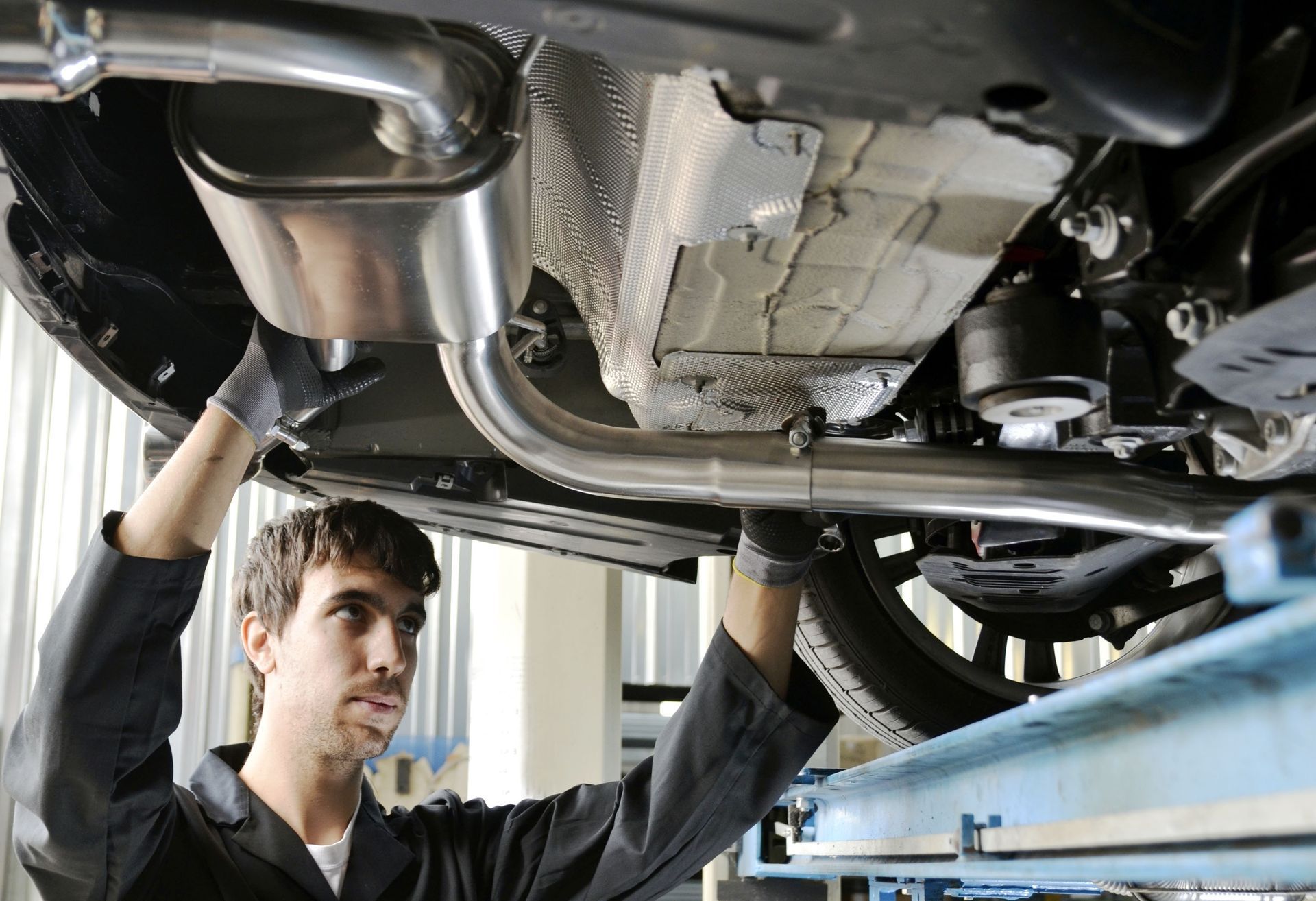
The underside of a motor vehicle endures constant exposure to harsh environmental elements, road hazards, and aggressive corrosive forces throughout every driving cycle. Positioned just inches above pavement surfaces, the exhaust system functions under extreme thermal fluctuations, structural vibration, and relentless chemical exposure. While driver attention frequently focuses on engine maintenance, tire tread depth, or fluid levels, the underbody piping, catalytic converters, resonators, and sound-dampening chambers quietly suffer from a destructive enemy: iron oxidation, commonly known as rust. Over time, moisture accumulation, road salt exposure, and internal acidic condensation slowly eat away at heavy steel piping, weakening structural walls, creating microscopic pinhole leaks, and causing severe component failure.
Understanding how rust forms, migrates, and compromises underbody exhaust components is essential for preserving vehicle safety, passenger health, and engine performance. A decaying exhaust system does far more than create embarrassing, loud rumbling noises while accelerating down suburban streets. Structural corrosion leads to dangerous exhaust gas leaks beneath passenger cabins, causes engine backpressure imbalances, lowers fuel efficiency, and damages delicate environmental sensors. Furthermore, ignoring early signs of underbody oxidation transforms minor surface rust into severe structural fractures, where heavy tailpipes and sound suppression canisters detach completely while driving. Exploring the primary mechanisms of rust damage reveals how internal moisture traps, road salt exposure, sound suppression loss, performance degradation, safety hazards, and professional repair interventions combine to impact vehicle longevity.
Trapping Internal Condensation and Accelerating Hidden Corrosion
Trapping internal condensation within underbody piping represents a primary cause of rapid, invisible exhaust corrosion. Every time an internal combustion engine burns fuel, it generates water vapor and acidic chemical bypass gases as natural combustion byproducts. These hot combustion gases flow rapidly through cold exhaust pipes toward the rear tailpipe. On short driving trips, the exhaust system never reaches optimal operating temperatures, causing hot water vapor to cool, condense, and collect into liquid pools inside low points along pipes and silencer chambers.
This stagnant liquid condensation mixes with acidic residual sulfur and nitrous compounds, creating a highly corrosive acidic bath that attacks bare steel walls from the inside out. Because this corrosive process occurs deep within internal chambers, vehicle owners rarely notice the structural damage taking place until small holes breach the outer metal shell. Scheduling routine vehicle inspections and seeking timely muffler repair allows certified mechanics to identify thinning metal walls and internal baffle deterioration before total structural failure occurs.
Exposing Underbody Metals and Accelerating Road Salt Destruction
Exposing bare steel exhaust components to winter de-icing chemicals and ocean salt air accelerates external corrosion at an alarming rate. During winter months, highway maintenance crews spread heavy amounts of rock salt and liquid calcium chloride across road surfaces to melt ice and snow. Slushy mixtures of water, dirt, and chemical salts splash continuously against hot underbody exhaust components, embedding corrosive mineral deposits into seams, welds, and mounting brackets.
External salt deposits react aggressively with metal surfaces, breaking down protective factory coatings and initiating deep pitting corrosion across piping walls. Over time, high thermal expansion and contraction cycles cause rust flakes to peel away, exposing fresh layers of bare steel to continuous moisture and chemical attack. Seeking specialized muffler repair ensures that rusted mounting hangers, rusted flanges, and compromised piping are replaced before heavy exhaust sections drop onto road surfaces while driving.
Compromising Sound Suppression and Increasing Cabin Noise Levels
Compromising internal sound suppression baffles allows raw engine acoustic energy to roar unchecked through the vehicle's undercarriage. Internal silencer units feature intricate mazes of perforated tubes, sound-absorbing fiberglass packing, and expansion chambers engineered to cancel out harsh acoustic frequencies generated by engine cylinder combustion strokes. As rust eats through internal chamber walls and perforated tubes, acoustic dampening capabilities decline rapidly.
Losing internal acoustic control results in harsh, droning exhaust notes, loud popping sounds during deceleration, and intense cabin vibrations that make driving uncomfortable. Beyond basic driving comfort, working silencer units play a vital role in meeting municipal noise compliance ordinances and environmental standards. According to the Environmental Protection Authority Victoria, the addition of a muffler to an exhaust system can reduce noise by about 15-25 decibels. Investing in professional muffler repair restores quiet cabin operation, eliminates uncomfortable vibrations, and ensures your vehicle remains fully compliant with local noise regulations.
Disrupting Engine Backpressure and Lowering Overall Fuel Efficiency
Disrupting tuned engine backpressure through rusted leaks directly impairs fuel economy, engine torque, and overall driving performance. Modern internal combustion engines rely on precise exhaust gas velocity and backpressure tuning to promote efficient cylinder scavenging, where outgoing exhaust pulses help pull fresh air-fuel mixtures into combustion chambers. When rust creates structural holes, cracks, or loose flange connections, raw exhaust gases escape prematurely beneath the vehicle floorboard.
Premature gas leaks alter internal pressure waves, causing engine control computers to miscalculate air-fuel ratios. Incorrect air-fuel mixtures lead to sluggish throttle response, reduced engine horsepower, increased fuel consumption, and misfiring engine cylinders. Partnering with experienced technicians for muffler repair seals high-pressure gas leaks, restores factory-specified backpressure tuning, and optimizes fuel efficiency across all driving conditions.
Exposing Cabin Occupants and Preventing Toxic Gas Infiltration
Exposing vehicle occupants to odorless, dangerous carbon monoxide gas represents the most critical safety hazard associated with a rusted exhaust system. Carbon monoxide is a toxic, colorless byproduct of engine combustion that prevents blood from carrying oxygen through the human body. When exhaust piping, catalytic converter flanges, or silencer bodies develop rust holes, escaping toxic gases accumulate beneath the stationary vehicle body.
Defective weather stripping, open windows, or floorboard rust holes allow toxic cabin infiltration, leading to driver headaches, dizziness, nausea, and severe physical impairment. Because carbon monoxide is completely invisible and odorless, drivers may not realize they are breathing toxic fumes while sitting in heavy traffic or idling in cold weather. Arranging immediate muffler repair eliminates dangerous underbody gas leaks, protecting driver and passenger health from silent toxic gas exposure.
Protecting your vehicle's exhaust system from the destructive effects of rust is essential for maintaining passenger safety, fuel economy, engine performance, and quiet driving comfort. From internal acidic condensation traps and aggressive road salt exposure to compromised sound baffles, engine backpressure loss, and dangerous carbon monoxide leaks, underbody corrosion threatens both mechanical reliability and physical health. Ignoring subtle warning signs—such as deep rumbling exhaust notes, metallic rattling, sulfur smells, or visible tailpipe sagging—allows minor surface oxidation to escalate into total structural detachment and expensive underbody destruction. Professional automotive technicians possess the specialized diagnostic tools, precision welding machinery, and high-grade stainless steel replacement parts needed to eliminate leaks, restore acoustic dampening, and secure underbody mountings safely.
At Roberto's Performance Exhaust, we are deeply committed to protecting your vehicle's underbody integrity, restoring quiet engine performance, and delivering superior exhaust solutions through master craftsmanship, high-grade materials, and dedicated customer care. Our team of certified technicians brings extensive trade expertise, precision MIG welding capabilities, custom pipe bending machinery, and meticulous attention to detail to every catalytic converter installation, custom dual exhaust build, rust inspection, tailpipe fabrication, and professional muffler repair project we execute across our community. We take immense pride in evaluating your unique vehicle layout, analyzing exhaust backpressure dynamics, inspecting structural pipe integrity, and serving as your trusted automotive partner to bring total physical security, quiet cabin comfort, and enhanced performance to your automobile. Contact us today to schedule your comprehensive exhaust consultation and discover the true value of working with dedicated local performance specialists.


Share On: